My hands shook as I unfolded the letter. Ben had written it just six months before the accident after updating his estate plan. “If this letter reaches you,” he began, “it means someone believes my death ended our family. They’re wrong.” I could barely see through my tears as I continued reading. He explained that after watching several friends lose their spouses and then lose contact with their in-laws, he had worried the same thing might happen to us. He wrote that love didn’t disappear with a death certificate and that marriage wasn’t a promise that ended when one person took their last breath. At the bottom of the letter was one final instruction asking his father to deliver a second envelope to the family attorney if I was ever pushed away after the funeral.
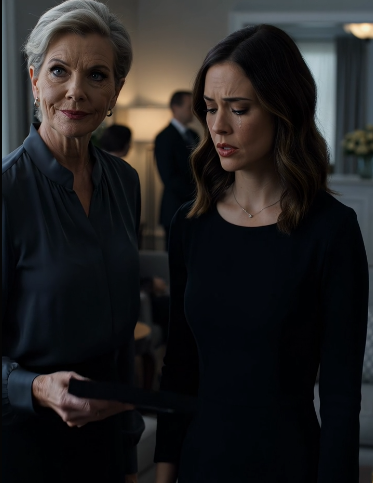
The attorney called us together the following afternoon. Ben’s parents, his sister, and a few close relatives sat quietly as the attorney opened the second envelope. Inside was an amendment to Ben’s will along with a personal letter addressed to his parents. “Mom and Dad,” the attorney read aloud, “I know how deeply you’ll grieve if I’m gone first. But if your grief turns into anger toward the woman I chose to spend my life with, then you’ve misunderstood everything I ever believed about family.” Ben had left me our home and most of his personal belongings, but that wasn’t the surprise. He had also created a memorial foundation in honor of his late mother and appointed both me and his father to manage it together. His mother had intentionally been left out of its leadership—not because he didn’t love her, but because he feared she would let her emotions destroy the very family he hoped would remain connected.
My mother-in-law immediately protested, insisting I had somehow influenced Ben before his death. The attorney calmly slid a folder across the table containing emails, handwritten notes, and video recordings Ben had made during the planning process. In one recording, Ben smiled at the camera and said, “If anyone accuses my wife of manipulating me after I’m gone, let this video settle it. Every decision here is mine.” My father-in-law quietly reached for my hand. Through tears, he admitted that he had wanted to speak up during the funeral reception but had been overwhelmed by his own grief. “I’m sorry,” he whispered. “I should have defended you the moment those words were spoken.”
Over the following months, my mother-in-law slowly began to understand the damage she had caused. She started attending grief counseling and eventually asked to meet me for coffee. She didn’t ask for forgiveness immediately. Instead, she simply said, “When I lost my son, I acted as though you hadn’t lost your husband. I made my pain bigger than yours.” It was the first honest thing she had said since the funeral. Healing wasn’t immediate, but it became possible.
Every year on Ben’s birthday, our family now gathers to volunteer through the memorial foundation he created. Before we begin, my father-in-law always reads one sentence from Ben’s letter aloud: “The people I love should never have to choose between remembering me and loving each other.” I still miss my husband every single day. But thanks to the promise he left behind, I never had to wonder whether losing him meant losing my family too. Ben made sure that even after he was gone, love—not grief—had the final word.